

Empowering neurodiversity achievements within workplaces nationwide
We work closely with our partners to offer services that provide an end-to-end solution
-
![]()
ND Screening Questionnaires
-
![Adult Full Dyslexia Diagnostic Assessment (Post-18)]()
Adult Full Dyslexia Diagnostic Assessment (Post-18)
-
![Adult Full SpLD / Dyslexia Diagnostic Assessment (Post-18)]()
Adult Full SpLD / Dyslexia Diagnostic Assessment (Post-18)
-
![Workplace Needs Assessment]()
Workplace Needs Assessment
-
![]()
ND Passport
-
![]()
Assistive Technology (AT) and AT Training
-
![]()
ND Coaching
-
![]()
ND Training Programmes
-
![]()
Keynote Presentations

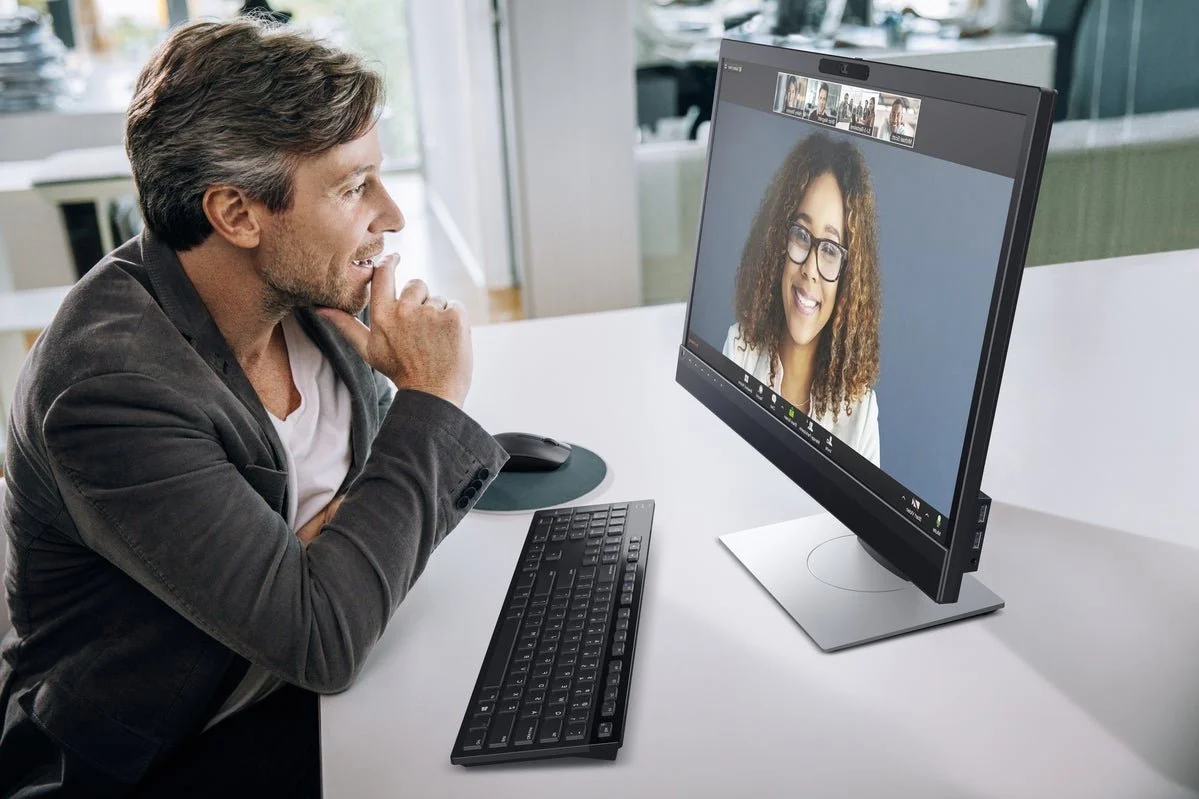







Adult Full Dyslexia Diagnostic Assessment (Post 18)
A full dyslexia diagnostic assessment to confirm the presence of dyslexia in adults aged 18 and upwards.
Adult Full SpLD / Dyslexia Diagnostic Assessment (Post 18)
A holistic SpLD assessment which includes dyslexia and an additional exploration / diagnostic interview for dyspraxia / DCD or AD(H)D.
We offer full diagnostic assessments to confirm the presents of dyslexia and / or associated SpLDs, including dyspraxia / developmental coordination disorder (DCD) and for workplace support a non-medical diagnosis of attention deficit (hyperactivity) disorder (ADHD).
Following assessment, the employee will receive a full diagnostic assessment report with recommendations which they can forward to the Human Resources (HR) department within their workplace. The assessment report will include recommendations for the workplace as well as specific recommendations for those taking professional examinations, as appropriate.
Guidance for Employers
Neurodiversity Achievement works with employers to provide specialist services. We help you find effective solutions. We believe that an understanding of neurodiversity enables employers and employees as well as the organisation to improve performance and productivity. This makes good business sense.
Consultancy
We offer consultancy on all matters relating to dyslexia and associated specific learning differences (SpLDs). We work with employers providing the full range of specialist services for those affected by dyslexia, dyspraxia, dyscalculia and attention deficit (hyperactivity) disorder (ADHD).
SpLDs manifest in a complex number of ways. Managers need to have an understanding of SpLDs and neurodiversity if workplaces are to comply with equality and disability legislation and ensure that their neurodivergent colleagues are not disadvantaged when compared to their neurotypical colleagues.
Assessment Routes
Employees with a specific learning difference (SpLD) such as dyslexia, dyspraxia and ADHD can ask their employer for adjustments to support them in their work.
A common route for gaining adjustments is for the employee to gain a full diagnostic assessment report, normally supported by Human Resources (HR) which is followed by a Workplace Needs Assessment (WPA), which is a discussion with the employee and the manager/s exploring the specific requirements needed by the employee to enable them to carry out their work efficiently.
Workplace Needs Assessment (WPA)
An assessment making recommendations for reasonable adjustments in the workplace.
A Workplace Needs Assessment would normally follow a diagnostic assessment and it would consider how dyslexic or other learning differences are affecting performance in a specific job in order to explore the particular workplace adjustments needed for the individual employee in the light of his/her particular job responsibilities. It will also identify training needs and ways in which an employer can give help and support. Information would be gathered in advance from the employee and the employer.
If you already have a diagnostic assessment report, let us know and we can move straight to the Workplace Needs Assessment. Our needs assessment reports are comprehensive and written in a clear jargon-free style. They are in a format which allows them to be used in applications for Access to Work funding for training and equipment.
In more detail, the workplace needs assessment report will include recommendations for of the following:
- A specialist skills coaching programme which covers the aspects of literacy which are directly related to the job in question – for example, research skills, writing emails or reports, reading technical manuals. Other work skills will also be covered, e.g., dealing with job interviews or work reviews, contributing to meetings, understanding instructions, time management, organisational skills.
- A detailed list of IT / assistive technology recommendations and how they would provide appropriate support. Specific guidance on the training needed for items of software or equipment.
- Detailed guidance for the employer about how they can provide support for the employee as well as what they can do to support the programme, e.g., allowing time off work for training, providing a quiet workspace, etc.
Neurodiversity Awareness Training Workshops
A range of ND training programmes that are designed to provide the knowledge and skills required to build a neuroinclusive organisation - the inclusion of all types of brains at work.
Approximately 20% of the adult UK population is considered to be neurodivergent. Dyslexia is the most commonly found neurocognitive diagnosis within the UK population with high rates of cooccurrence with other SpLDs. It is important that managers and their teams have an awareness of dyslexia / neurodiversity, how it can impact on an employee’s performance as well as how to work successfully with those with such profiles in order to comply with their legal duties.
Dyslexia, dyspraxia and ADHD can create great challenges for managers. The challenges experienced by individual employees with an SpLD are not necessarily obvious, and they manifest in a complex number of ways. It can be difficult to recognise dyslexic characteristics in an employee, and particularly difficult to know if it is dyslexia that is affecting the performance or there is another cause.
We therefore offer bespoke onsite workshops on neurodiversity which provide essential information for managers and their teams. This can be a two hour, half day or full day session tailored to your organisation / team. We would talk this through in advance.
The training would address the following key areas:
- Neurodiversity and specific learning differences (SpLDs) including dyslexia, dyspraxia and ADHD
- How these SpLDs can affect staff and work performance
- How to develop a best practice approach to working with colleagues with dyslexia or dyspraxia.
In more detail, topics covered can include:
- The legal framework, including the Equality Act 2010 and the Data Protection Act
- How changes in the work environment impact particularly on staff with neuro-diverse conditions
- How dyslexia and dyspraxia affect efficiency at work
- Identification and assessment
- Intervention and adjustments at different levels: individual, team and organisational
- Reasonable adjustments at the different stages of the employment life cycle: recruitment, staff development & appraisal, promotion
- IT solutions, support and funding.
‘Diversity of thought is fundamental to understanding the power of diversity and inclusion. It’s what creates learning, stimulates the possibility of innovation and actively demonstrates respect.’
— Diversity consultant

Frequently Asked Questions:
-
A definitive diagnosis of dyslexia for any individual requires a full diagnostic assessment to be carried out by a competent and suitably qualified professional. Dyslexia is not a medical condition; a diagnostic assessment for dyslexia is not covered by the National Health Service (NHS).
-
A diagnostic assessment is the only way that dyslexia can be formally identified. A common route to gaining adjustments in the workplace is for the employee to obtain a full diagnostic assessment report, normally supported by the Human Resources (HR) department within their organisation which is followed by a Workplace Needs Assessment (WPA).
We pride ourselves on providing employees with an empowering and enabling assessment experience. We achieve this through increasing your understanding of why you are experiencing certain challenges alongside how to fully harness your unique set of strengths. An increased self- awareness combined with a recognition of cognitive differences can be an incredibly empowering experience. The recommendations we provide will enable you to adopt new strategies and techniques to increase your performance which not only leads to an increased self – esteem but often far-reaching positive change.
-
You will need to have had a standard eye test within the last two years, you can request an eye test at pharmacies and opticians.
We would gather background information on developmental, educational and/or occupational history via a straightforward questionnaire for you to complete in advance of the appointment.
-
The diagnostic assessment provides detailed information about the individual’s particular profile, identifying personal strengths as well as the challenges. Our diagnostic assessments involve exploring a range of skills and cognitive processing capabilities. It looks at general cognitive abilities, for example, verbal skills, memory, perception and various types of processing, as well as literacy skills. The assessment will also consider other factors that impact learning and performance, for example, emotional or environmental factors.
-
Our diagnostic assessments involve exploring a range of skills and cognitive processing capabilities. Following an assessment, a report will be produced detailing the nature and severity of any difficulties identified, as well as making recommendations that build upon your strengths as a basis of how best to support you moving forward.
A detailed report with personalised recommendations is provided. The assessment report is written in a clear and accessible way so it can be easily understood. The report is designed to enable you to develop more effective workplace strategies as well as enable you to access reasonable adjustments such as exam access arrangements for any training you may gain in the workplace.
-
Many organisations offer financial support with gaining a full diagnostic assessment. If the HR department at your organisation agree to fund your diagnostic assessment they will expect to receive a copy of your report, this will be clearly outlined in the Consent Form you will be required to sign before your assessment. You will be offered the choice of receiving your report 2 days before it is sent to the HR department within your organisation.
We normally encourage employees to discuss any concerns they may have about some of the sensitive information they have shared and may not wish to have included in their report with the assessor on the day.
The HR department at your organisation will treat your diagnostic assessment report as confidential but may want to talk to you privately about any useful adjustments for your role. They will probably offer you a Workplace Needs Assessment where job-specific reasonable adjustments can be recommended for you such as assistive technology and coaching.
-
We are not able to change your diagnostic outcome as this is an evidenced-based judgement made by an experienced and suitably qualified specialist assessor.
We normally encourage people to discuss any concerns they may have about some of the sensitive information they have shared and may not wish to have included in their report with the assessor on the day.
However, should you require your report to be permanently deleted; or for changes/corrections made to it, please notify us at: reports@neurodiversityachievement.co.uk
-
Our diagnostic assessments explore dyslexia and cooccurring SpLDs; this includes AD(H)D in adults (post 18) for the purpose of educational or workplace support. If you have difficulties with your attention and concentration, this can be explored during an assessment and recommendations can be given for any support required within the workplace. Please note that this would not be a medical diagnosis of ADHD, and no advice can be given regarding medication or medical management.
If you have a current diagnosed mental health condition this can affect the test results, and the assessor may not be able to make a definitive diagnosis of characteristics of ADHD for educational or workplace support.
-
Our diagnostic assessments explore dyslexia and cooccurring SpLDs; this includes dyspraxia / DCD (post 16). If you have difficulties with your physical coordination, this can be explored during an assessment.
We cannot assess you for dyspraxia / DCD if you have any other known motor difficulties or a confirmed diagnosis affecting motor skills such as Cerebral Palsy, Tourette’s syndrome, Muscular Dystrophy, Parkinson’s Disease, Multiple Sclerosis, Motor Neurone Disease, stroke (CVA), Huntingdon’s chorea.
If your physical coordination has deteriorated over the last 12 months, you would need to see your GP.
-
We are specialists in dyslexia and do not offer assessments for autism. An assessment for autism will fall under the remit of other specialists and concerns should be discussed with your GP.
Useful websites for information, advice and guidance are:
National Autistic Society (autism.org.uk)
Signs of autism - NHS (www.nhs.uk) -
You need to be fluent in spoken English and able to read, write and spell in English to be assessed for dyslexia. If English is not your first language, we normally recommend that you have been learning English or taught in English for at least seven years before an assessment. The assessor will need to know when you started to learn English so they can determine the impact this may have on your assessment results.
Please note that if an assessment is carried out before you are fluent in English, the assessor may not be able to make a definitive diagnosis of dyslexia. This would mean another assessment may need to be conducted at a later date, with additional charges for you and your organisation.
-
If you experience visual stress, we may not be able to assess you for dyslexia, but we can often assess you for cooccurring SpLDs such as dyspraxia / DCD and characteristics of ADHD.
If you are experiencing visual disturbances which impact on your day-to-day activities, please get a check for visual stress before your assessment. You can do this through the Institute of Optometry www.ioo.org.uk or the British Association of Behavioural Optometrists www.babo.co.uk You cannot be tested for dyslexia if you have a diagnosed eye condition.
-
If you may have hearing loss, we recommend that you get your hearing tested before your assessment. You can request a hearing test at pharmacies and opticians; you will not be charged for the test. This is recommended because the tests used to assess for dyslexia involve verbal tasks designed to establish your ability to manipulate spoken sounds within speech. We cannot assess you for dyslexia if you are deaf.